
Leading Products For Maple Tree Removals You Can Trust
Discover top-rated tools and equipment designed to make maple tree removal safer, easier, and more efficient for homeowners and professional
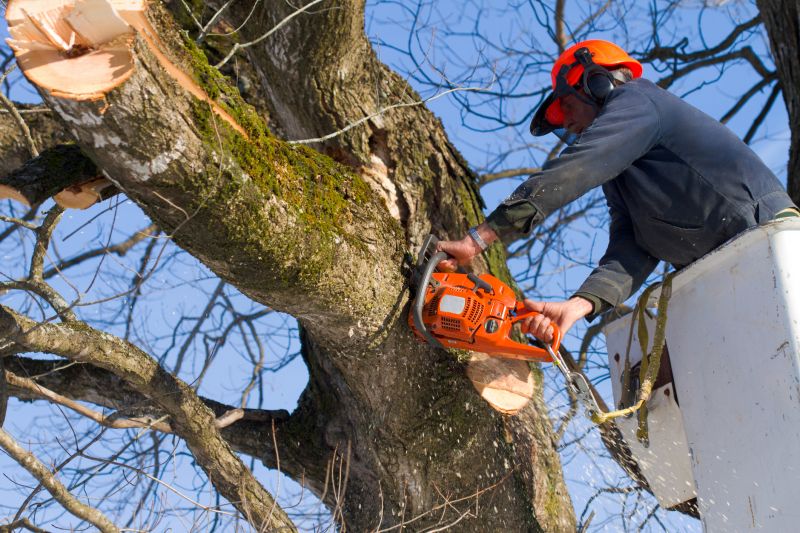 Removing a maple tree requires careful consideration of the tools and products involved to ensure safety and efficiency. The process often involves a combination of manual tools, power equipment, and safety gear to handle different sizes and locations of trees. Proper planning and selection of the right products can make the task more manageable and reduce potential hazards. Whether dealing with a small sapling or a large mature tree, having the appropriate equipment is essential for a controlled and safe removal process.
Top Overall Option
Heavy-Duty Tree Pruning and Cutting Tool Set
A comprehensive set of manual pruning shears, loppers, and saws designed for safe and effective tree removal tasks. These tools offer durability, precision, and ergonomic comfort, making them suitable for handling various sizes of maple trees. They enable precise cuts and controlled dismantling, especially in tight spaces or near structures.
Types of Products For Maple Tree Removals
Chainsaws
Powerful chainsaws designed for cutting through large branches and trunks efficiently.
Pruning Saws
Handheld saws ideal for trimming smaller branches and detailed cuts.
Pole Pruners
Extendable tools for reaching high branches without a ladder.
Manual Loppers
Long-handled cutting tools for pruning medium-sized branches.
Axe and Hatchet Sets
Traditional tools for chopping and dismantling smaller sections of the tree.
Tree Climbing Gear
Harnesses, spikes, and ropes for safely ascending and working on taller trees.
Stump Grinders
Machines designed to grind down remaining stumps after tree removal.
Root Removal Tools
Specialized equipment for extracting or grinding roots after the main removal.
Safety Helmets and Gear
Protective equipment to ensure safety during all stages of removal.
Chemical Stump Removers
Products used to accelerate the decay of remaining stumps for easier removal.
Rope and Pulley Systems
Tools to control the direction of falling branches or sections during dismantling.
Lifting and Winching Devices
Equipment to assist in lifting heavy sections or entire trees safely.
Popular Choices
Portable and easy-to-handle power saws suitable for various removal tasks.
Compact tools for trimming smaller branches with precision.
Reach high branches comfortably without climbing equipment.
Reliable tools for chopping and dismantling tree sections.
Popular equipment for efficiently removing stumps after tree removal.
Essential protective gear for safe operation during removal.
Widely used for facilitating stump decomposition.
Commonly employed for controlled sectioning and lowering of tree parts.
Preferred safety gear for arborists working on tall trees.
Popular for reaching and trimming high branches safely.
For those undertaking tree removal, safety should be a top priority. Protective clothing, helmets, gloves, and eye protection are necessary to prevent injuries from falling branches or equipment mishaps. Additionally, understanding the characteristics of the maple tree, such as its size, location, and surrounding environment, can influence the choice of products used. For example, smaller trees might be removable with hand tools, while larger trees may require specialized machinery.
Properly removing a maple tree also involves techniques for cutting and dismantling the tree in sections, especially when space is limited or the tree is close to structures. Using the right tools can help control the direction of the fall and minimize damage to nearby property. Post-removal, products like stump grinders or chemical stump removers can assist in managing the remaining stump and roots, ensuring a clean and safe area for future use or planting.
Investing in high-quality products designed specifically for tree removal can improve safety, efficiency, and results. It's important to select products that match the size and type of the tree, as well as the specific conditions of the removal site. Proper maintenance and understanding of these tools further contribute to a successful and safe removal process.
Key Buying Considerations
- Tree size and trunk diameter to determine appropriate equipment strength.
- Location of the tree and proximity to structures or power lines.
- Type of removal desired: complete removal or selective pruning.
- Safety features and protective gear included or recommended.
- Ease of use and ergonomic design for prolonged tasks.
- Power source preferences such as electric, battery-powered, or gas-powered.
- Availability of replacement parts and maintenance requirements.
- Weight and portability of tools for ease of handling.
- Environmental conditions, including weather resistance of equipment.
- Cost and budget considerations for the scope of the project.
- Skill level required to operate specific tools safely and effectively.
- Compatibility of tools with other equipment or accessories.
- Availability of training or instructional resources.
- Warranty and customer support offered by the manufacturer.
- Storage options for tools and accessories after use.