Best Times for Maple Tree Removals
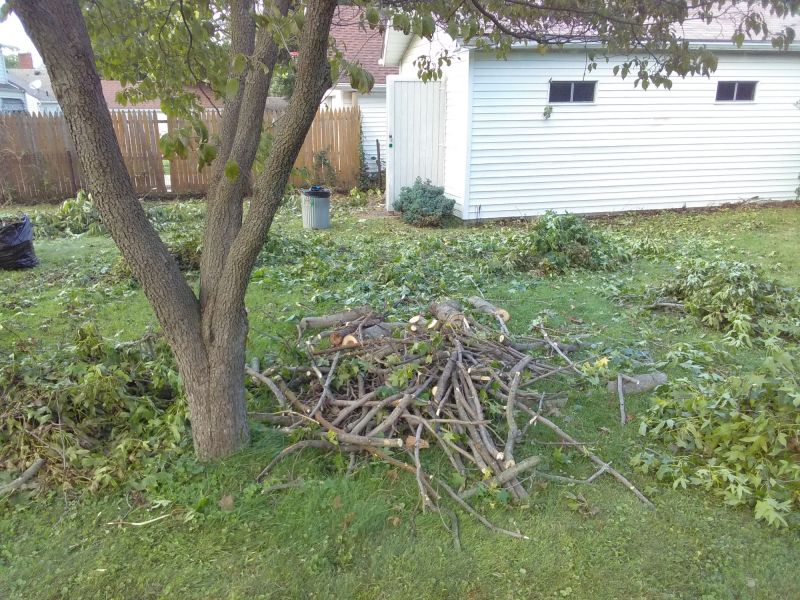
Spring is often considered ideal for maple tree removals due to active growth and manageable foliage.

Summer removals can be challenging because of dense foliage, but are feasible with proper planning.

Winter offers less foliage, making tree removal safer and more precise, especially when the ground is frozen.

Ways to make Maple Tree Removals work in tight or awkward layouts.
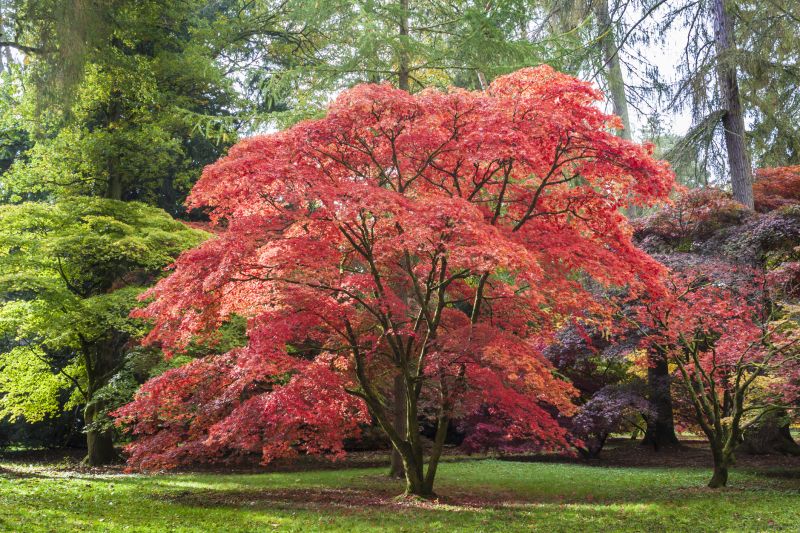
Popular materials for Maple Tree Removals and why they hold up over time.
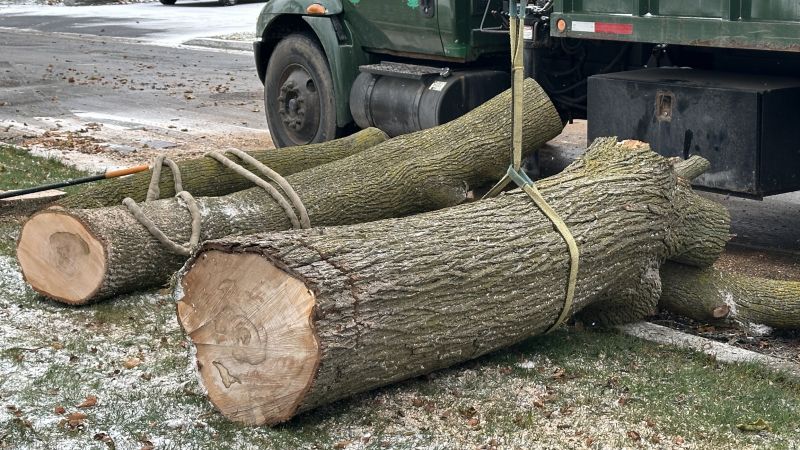
Simple add-ons that improve Maple Tree Removals without blowing the budget.
Maple tree removals are influenced by seasonal conditions that affect safety, tree health, and the ease of removal. Typically, late fall and winter are preferred because the absence of leaves allows for better visibility and access. Spring and summer removals may be more complicated due to foliage density and active sap flow, which can increase the risk of damage or injury. Timing also impacts the impact on surrounding landscapes and the potential for regrowth.
Statistics indicate that winter removals tend to be safer and more efficient, with fewer disruptions to nearby vegetation. Approximately 70% of professional arborists recommend winter as the optimal season for large-scale removals, especially in colder climates where ground conditions are suitable for heavy equipment. Proper timing minimizes stress on remaining trees and reduces the likelihood of disease transmission.

Specialized machinery is used for safe and efficient maple tree removal, especially during winter when ground conditions are firm.

Proper safety gear is essential for arborists performing removals in any season to prevent accidents.

A large maple tree after removal, showing the scale and necessary equipment.

Post-removal stump grinding helps prevent regrowth and prepares the area for future landscaping.
| Season | Advantages |
|---|---|
| Winter | Fewer leaves, safer access, better visibility, ground is often frozen for stability. |
| Spring | Active sap flow, manageable foliage, but increased risk due to wet conditions. |
| Summer | Foliage density complicates removal, higher risk of damage, but longer daylight hours. |
| Fall | Leaves falling, good for visibility, but weather can be unpredictable. |
Choosing the appropriate time for maple tree removal depends on local climate, tree size, and landscape considerations. Consulting with a professional arborist can help determine the safest and most effective timing. Proper seasonal timing ensures minimal impact on surrounding vegetation and reduces potential hazards during the removal process.